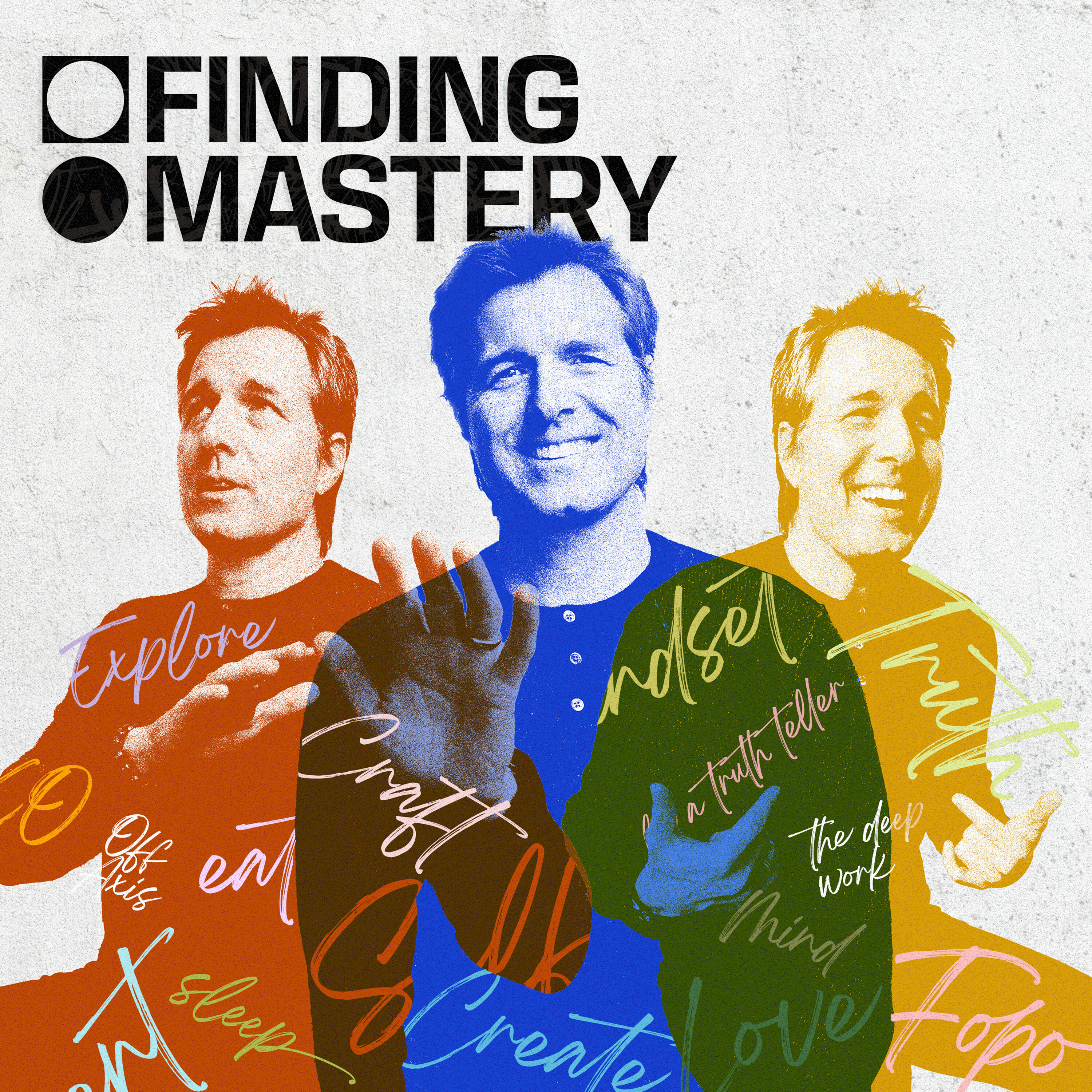
The Psychology of Performance Under Pressure |Andrew Whitworth
Beschreibung
What does it really take to stay at the top for 16 years and still know who you are when it ends?
Andrew Whitworth is a Super Bowl champion, four-time Pro Bowler, and the oldest left tackle in NFL history to start a Super Bowl. He spent 16 seasons protecting the most valuable position on the field, finished his career by winning a championship at 40, and walked off in one of the most viral moments in NFL Films history, sitting in a circle with his kids, telling them “that was daddy’s last game.” In this conversation with Dr. Michael Gervais, Andrew pulls back the curtain on what made it all possible, and what almost broke him along the way.
The first thing you notice about Andrew is the contradiction. 6'7", 345 pounds, built to dominate. And the engine underneath all of it is empathy. He explains how he prepared for opponents not by lifting more or running more, but by inhabiting them, studying their bodies until he could feel what they were going to do before they did it. “I'm going to study them to a point where we can dance together because I can actually feel everything they're going to try and accomplish before we do it,” he says. That is the offensive line position rendered as jazz.
But this conversation goes a lot deeper than craft. Andrew is candid about the anxiety, self-doubt, and self-punishment that shadowed much of his career. He talks about walking home alone in the dark after college games to punish himself for mistakes, about needing to watch tape of the all-time greats failing just to feel okay running out of the tunnel, and about how Sean McVay eventually helped him believe he was “worthy of the light.” He also shares what Nick Saban taught him about process, what Marvin Lewis taught him about consistency, and what fatherhood taught him about everything.
In this conversation, we explore:
- Why empathy, not size or strength, was Andrew’s greatest competitive advantage
- How to study an opponent so deeply you can feel their next move before they make it
- Why mastery of self always has to come before mastery of craft
- How to hold people accountable in a way that builds rather than breaks
- Why vulnerability comes before trust, not the other way around
- What changed about how Andrew competed once he became a father
- Why telling someone what you see in them may be more powerful than telling them you believe in them
Andrew's story is a reminder that empathy can be one of the most powerful tools on the path to mastery. And that the greatest thing you leave with anyone is how you made them feel.
_____________________________________________________
Links & Resources
Subscribe to our Youtube Channel for more conversations at the intersection of high performance, leadership, and wellbeing: https://www.youtube.com/c/FindingMastery
Get exclusive discounts and support our amazing sponsors!
Go to: https://findingmastery.com/sponsors/
Subscribe to the Finding Mastery newsletter for weekly high performance insights: https://www.findingmastery.com/newsletter
Download Dr. Mike's Morning Mindset Routine: findingmastery.com/morningmindset
Follow on YouTube, Instagram, LinkedIn, and X
See Privacy Policy at https://art19.com/privacy and California Privacy Notice at https://art19.com/privacy#do-not-sell-my-info.